Start with what the location must communicate
A dramatic landscape, working factory, city street and quiet office each tell a different story. Define what the audience needs to understand before choosing a place for visual impact alone. The location should support the subject rather than compete with it.
Reference images are useful when they describe light, scale, texture or atmosphere. They are less useful when the practical conditions could never support the people, equipment or schedule in the brief.
Confirm ownership, access and permission
Find the person or organisation able to grant permission and state whether the work is commercial. Ask about opening hours, other users, restricted areas, security, insurance requirements, vehicle access and any fee. Public-looking land may still have an owner or managed access conditions.
For workplaces and venues, agree who will prepare the space and who can approve small changes on the day. A visually strong location can quickly become unusable when access is vague.
Plan around Scottish light, weather and distance
Day length, sun direction, wind, rain and travel time change significantly by season and location. A Highland exterior and an Edinburgh interior may need very different contingency plans even when they appear in the same campaign.
Build a weather alternative or flexible sequence where possible. For remote work, group the essential people, interiors, products, landscape and interviews into a schedule that makes each journey worthwhile without depending on one narrow weather window.
Check sound and public activity for film
Roads, refrigeration, ventilation, music, crowds and hard surfaces may be invisible in a photograph but dominant in an interview. Visit or obtain a current video of the space, identify quiet periods and decide whether dialogue should be recorded there at all.
Treat aerial work as its own production decision
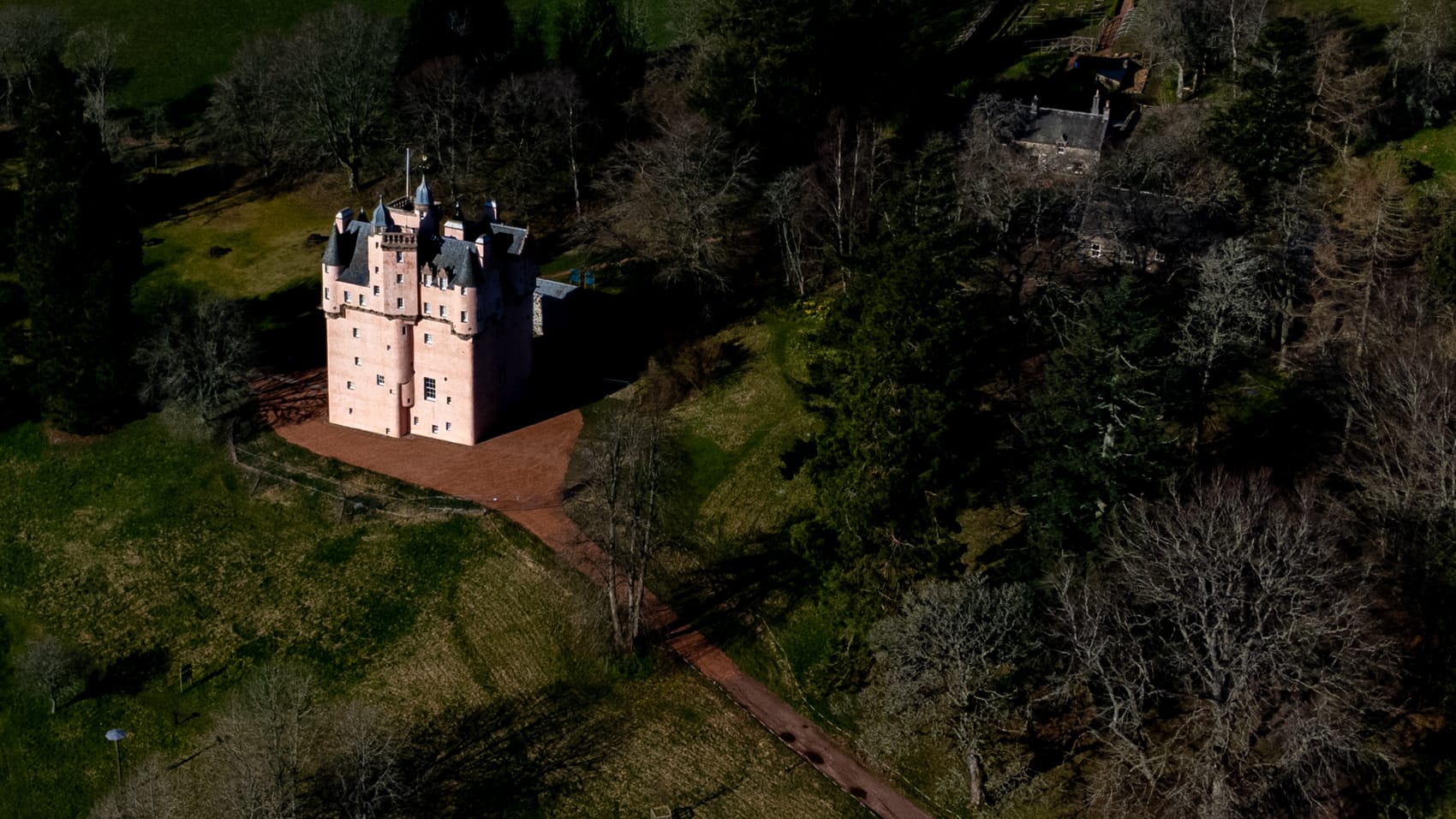
A suitable viewpoint on the ground does not automatically make a suitable drone location. The exact coordinates, surrounding airspace, nearby people and property, take-off area, weather and intended operation all need to be assessed before aerial filming or photography is promised.
Send the precise location and intended shot early. John can then assess whether aerial work is practical and whether another viewpoint or date would produce a safer, stronger result.